Are you planning the adventure of a lifetime through South America and wondering how to connect the arid Chilean desert with the world’s largest salt flat? Crossing the mountain range on the route from Calama to Uyuni is a dream for many travelers, but the logistics of the trip often raise doubts and concerns.
At Viajes Tours, we know that making the leap between these two natural giants requires good planning. That is why we have prepared this definitive guide with the step-by-step, requirements, and the best options so that your trip is safe, fluid, and absolutely unforgettable.
The best options: How to go to Uyuni from Chile?
To answer the frequent question of how to go to Uyuni from Chile, you should know that the overland route is the most popular, scenic, and economical alternative. The landscapes you will see through the window will prepare you for the immensity of the salt flat.
Although there are private tours that take you in 4×4 vehicles, many adventurers prefer to make the journey on their own until reaching the Bolivian city and hire their expedition to the salt flat there.
Traveling by bus Calama Uyuni
Taking a direct bus Calama Uyuni is the option chosen by most backpackers and independent travelers. The trip lasts between 10 and 12 hours, depending on road conditions and the waiting time at immigration controls.
Several transport companies offer daily departures, generally leaving at dawn. It is highly recommended to buy your ticket at least a couple of days in advance, especially during the high tourist season.
Crossing the Chile Bolivia border via the Ollagüe Pass
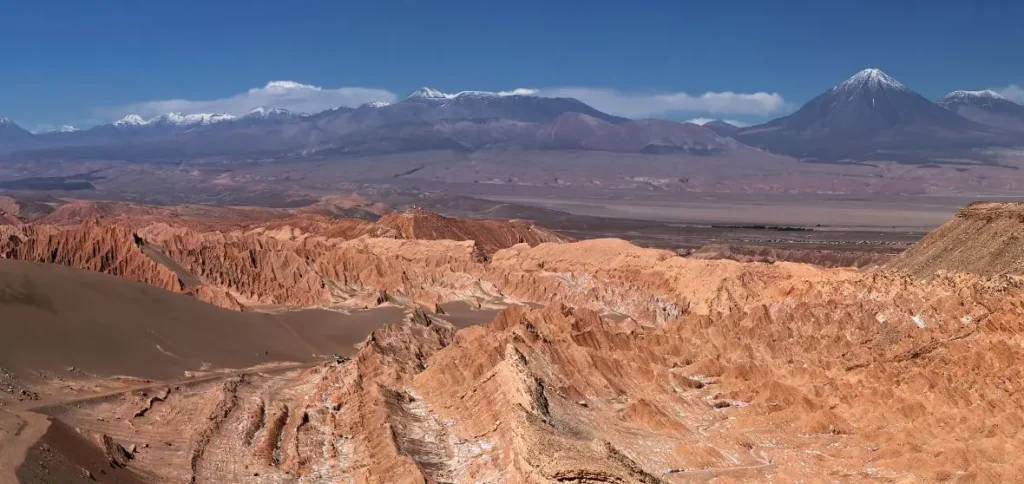
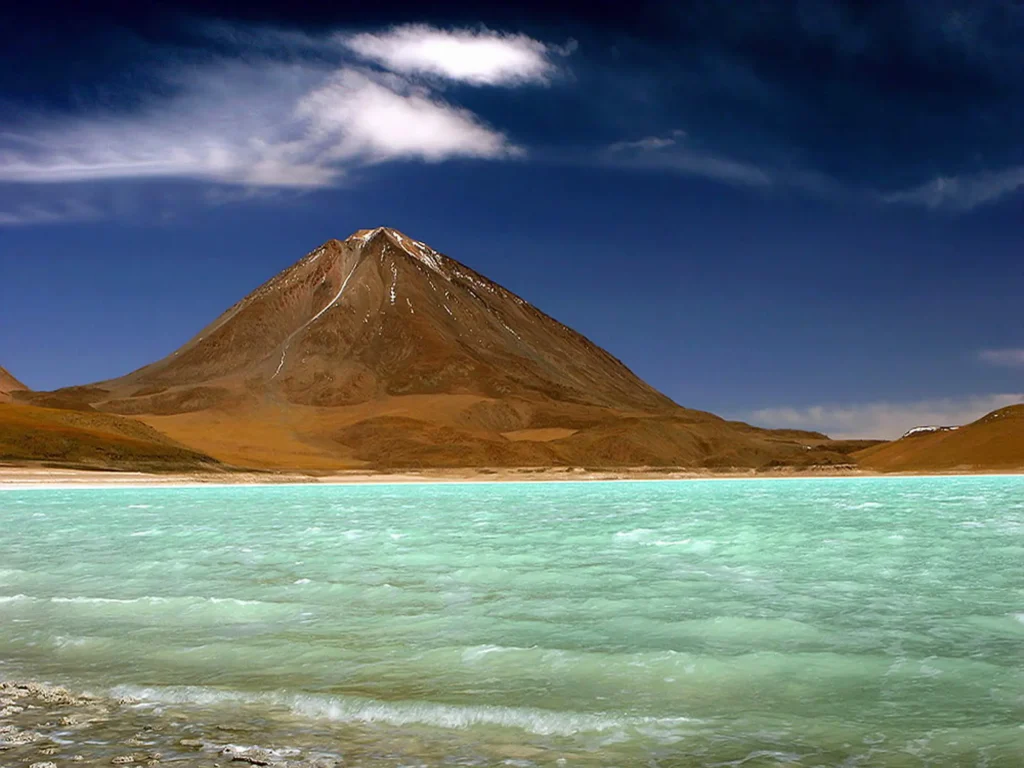
The main and most used control point on this land route is the Chile Bolivia border, a place where the volcanic landscapes will take your breath away while you wait for your turn at immigration.
Specifically, legal and commercial transit takes place through the Ollagüe pass. This border complex is located at a high altitude and is famous for being surrounded by imposing peaks and a biting cold in the early hours of the day.
To cross without problems, make sure you have a valid passport (or ID card for Mercosur citizens), the PDI tourism card given to you when entering Chile, and check if your nationality requires a tourist visa to enter Bolivia.
Key data for your route from Calama to Uyuni
So that you are not caught by surprise, here is the technical information and essential value data for this high-altitude journey:
- Altitude: The ascent is considerable. Calama is at 2,260 m.a.s.l., the border pass reaches almost 3,700 m.a.s.l., and the city of Uyuni sits at 3,656 m.a.s.l.
- Climate: You will find a desert and high-altitude climate. Night temperatures can drop below -5°C, while during the day they can reach 18°C to 20°C under intense sun.
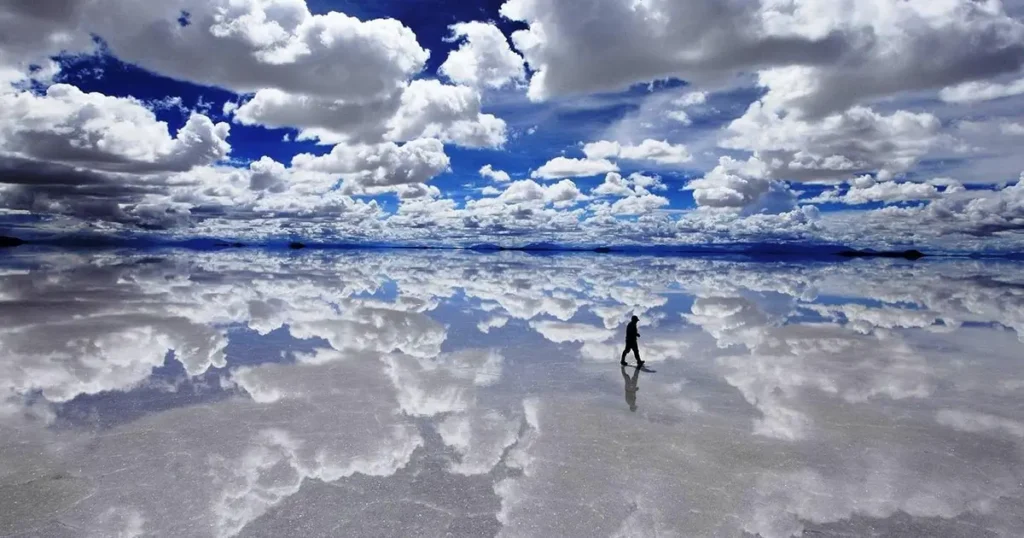
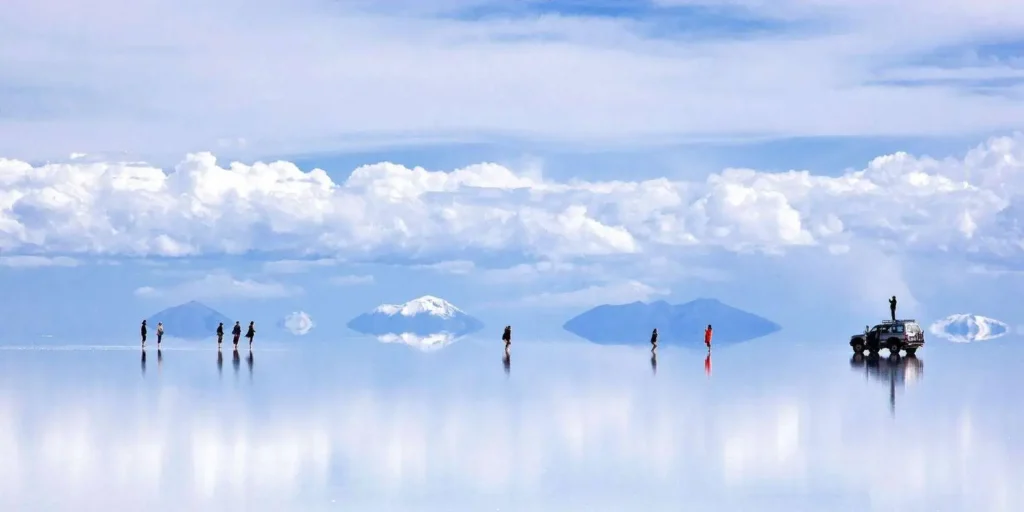
- Best season: From April to November is the dry season, ideal for uninterrupted travel and clear skies. From January to March the “mirror effect” occurs in the salt flat, but rains can complicate some roads.
- Difficulty: Moderate. It does not require extreme physical effort, but the long bus ride and the effects of the altitude require being in good health.
- What to bring: Thermal clothing in layers (onion method), 50+ SPF sunscreen, polarized sunglasses, hydrating lip balm, light snacks, and plenty of bottled water.
Expert Tips from Viajes Tours
As tourism specialists, we want to share those “route secrets” that only an agency with local experience would tell you:
- Prioritize Acclimatization: Spend at least a couple of days in Calama or San Pedro de Atacama before undertaking the climb to the border. Drink hot infusions (such as coca tea) and eat light the day before.
- Security and Money Management: Carry Bolivianos in cash from Chile for your first expenses upon arrival (taxis, food, or bathrooms). If you carry dollars, make sure the bills are in perfect condition, without scratches or stains.
- Take Advantage of Customs Hours: The border complex usually operates from 08:00 to 20:00 hrs. Buses leave early (between 5:00 and 6:00 AM) precisely to be first in the immigration line and avoid delays of several hours.
Conclusion
Taking the route from Calama to Uyuni is the start of a fascinating journey that will take you through arid deserts, snow-capped volcanoes, and high-altitude lagoons. With proper preparation, the right clothing, and your documents in order, the border crossing will be just a simple formality before your great reward.