
Traveling through the Peruvian Andes is a transformative experience, but sometimes tight itineraries force us to choose between destinations. Many travelers wonder how to make the most of the journey from Cusco to Puno without feeling like they have wasted an entire day sitting in a vehicle.
The perfect solution exists and combines interprovincial transport with one of the most impressive natural wonders in all of Peru: the Rainbow Mountain. Discover how to optimize your travel time and add an epic adventure to your tour.
The best alternative to the classic Cusco Puno bus
Normally, taking a direct bus Cusco Puno means spending about 7 or 8 hours looking at the landscape only from the window. Although it is a valid and economical option, travelers looking to maximize every minute prefer alternatives richer in experiences.
Many explorers opt for the traditional ruta del sol peru, which makes beautiful archaeological and cultural visits along the way. However, today there is a new trend designed specifically for true nature and trekking lovers.
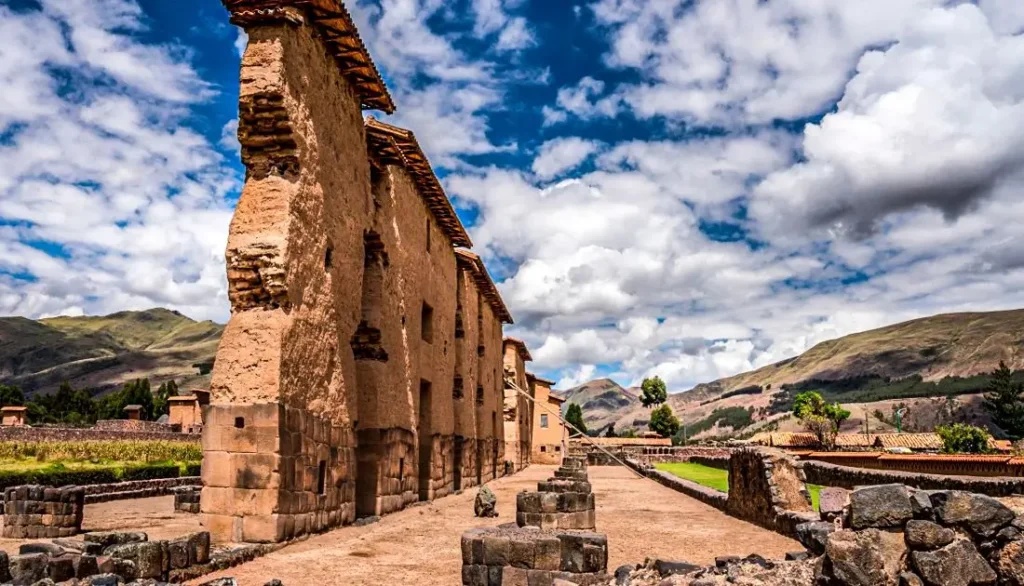
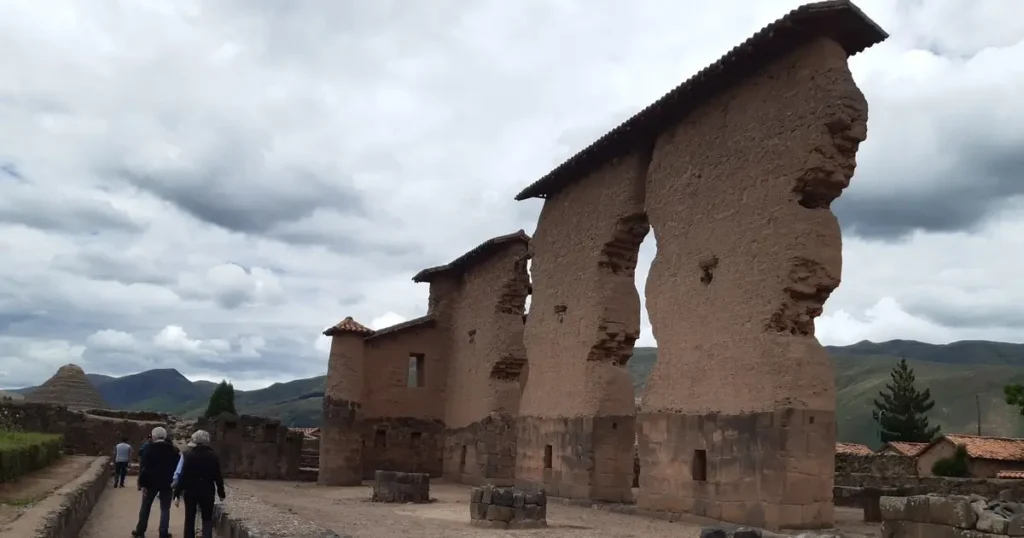
Take advantage of your trip from Cusco to Puno by visiting the Rainbow Mountain
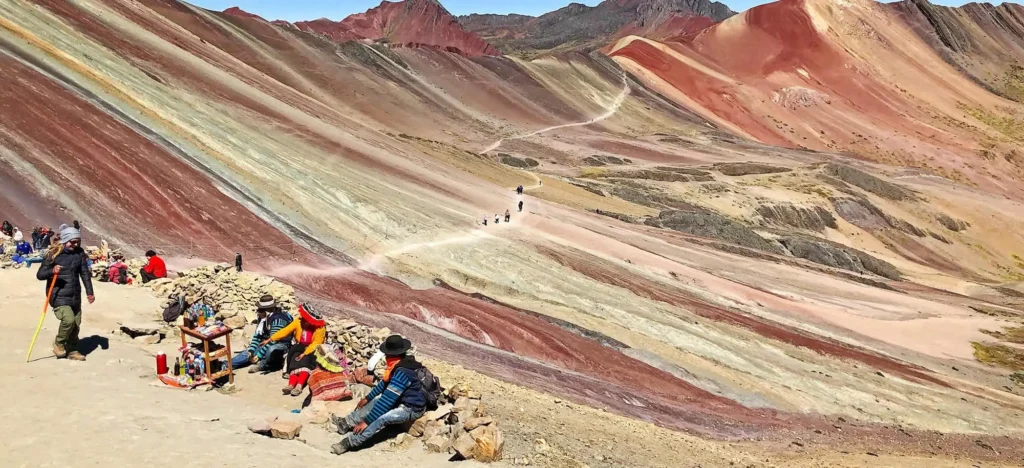
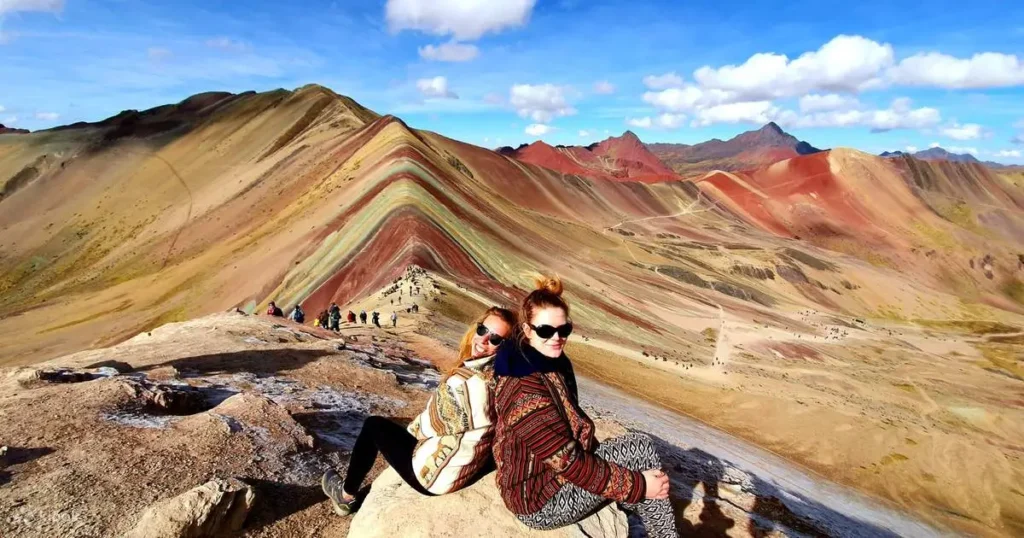
Imagine leaving the ancient Inca capital, conquering the heights of the Andes, and ending the day relaxing on the shores of the majestic Lake Titicaca. Doing a Vinicunca tour in the middle of your interregional transit is the ultimate strategy for the most adventurous.
Unlike conventional service, in this traslado Cusco Puno paradas (Cusco Puno transfer with stops), strategic breaks make an abysmal difference. It allows you to do the demanding but beautiful hike in the morning, enjoy a good restorative lunch, and continue to your final destination in the afternoon.
Useful Route Data
For your experience to be safe and pleasant, it is vital to know what you are facing. Forget about surprises with these exact facts:
- Altitude: Vinicunca reaches 5,200 m.a.s.l. at its main viewpoint, while the city of Puno is located at 3,827 m.a.s.l.
- Weather: Cold and windy. Temperatures on the mountain range between 5°C and 15°C during the day, and can drop below zero in the early morning.
- Best season: From April to November (dry season). This guarantees firm trails, clear skies, and vibrant colors on the mountain.
- Difficulty: Moderate to demanding. The terrain is not very steep, but the lack of oxygen due to the extreme altitude is the biggest challenge.
What to carry in your daypack?
- Layered clothing: A thermal shirt (first layer), a fleece sweater, and a windbreaker or waterproof jacket.
- Footwear: Waterproof trekking boots, already broken in to avoid blisters.
- Sun protection: Broad-spectrum sunscreen, sunglasses with UV filter, and a hat.
- Essentials: At least 1.5 liters of water, energy snacks (nuts, chocolate), and coca leaves.
Expert Tips for your journey
As adventure tourism specialists, we know that small details make a big difference. Here are our key recommendations:
- Vital acclimatization: Never do this route on your first day. Spend at least 2 or 3 days in Cusco (at 3,400 m.a.s.l.) to acclimate your body before going up to Vinicunca.
- Luggage management: Don’t worry about your large suitcases. They travel safely in our transport while you perform the ascent only with your light backpack.
- Strategic schedules: We leave from Cusco at dawn (approx. 4:00 AM) to be the first on the mountain and arrive in Puno at a reasonable time to dine and rest.
- Step by step: At high altitude, the race is won by those who go slow. Breathe deeply through your nose, maintain a constant pace, and do not try to rush.
Conclusion
Optimizing your travel time from Cusco to Puno is totally possible and highly rewarding if you plan intelligently. Connecting these two iconic destinations through the magic and colors of Vinicunca turns a simple day of transit into your best travel anecdote.