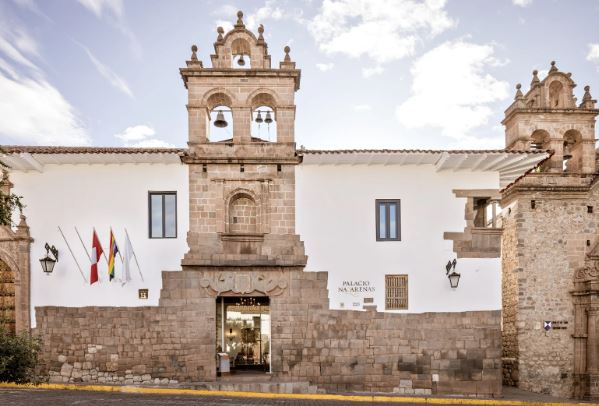
Sleeping on 15th-century Inca walls, waking up to oxygen-enriched air, and enjoying a breakfast menu crafted by one of the world’s best chefs. This is no ordinary hotel: this is Palacio Nazarenas, A Belmond Hotel, the most exclusive luxury stay in Cusco.
Quick Facts
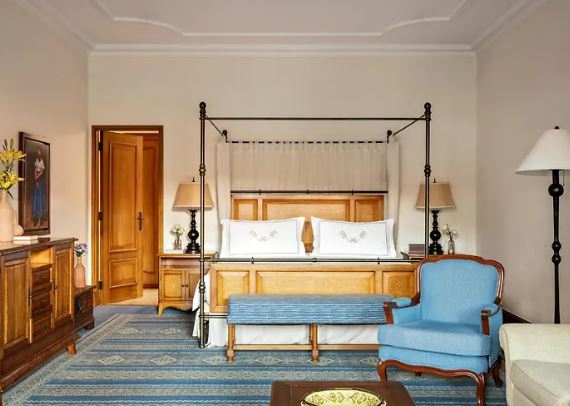
- 3,400 Meters Elevation: Your suite features an oxygen-enrichment system so you can forget about altitude sickness (soroche).
- 100% Personalized Experience: You are assigned a private butler upon arrival to prepare fresh herbal infusions or pack and unpack your luggage.
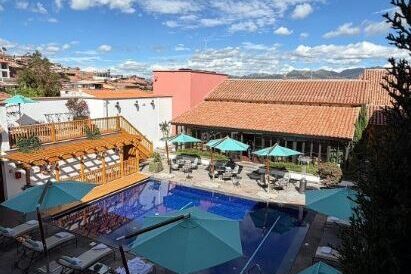
- 1 Legendary Pool: The only outdoor heated pool in Cusco’s entire historic center.
Three Eras in One Place
- Imperial Foundations (15th Century – Inca Empire): The site originally housed an Inca palace. You can still touch the ancient monolithic stones in the corridors and main suites.
- Nazarenas Convent (16th–17th Century – Colonial Era): The property became an aristocratic residence and later a cloistered convent, featuring religious frescoes that still adorn the hotel walls.
- Ultra-Luxury Restoration (Present Day – Belmond): The complex underwent a meticulous multi-year restoration, integrating modern technology without disturbing a single ancient stone.
Mauka: Culinary Craftsmanship by Pía León
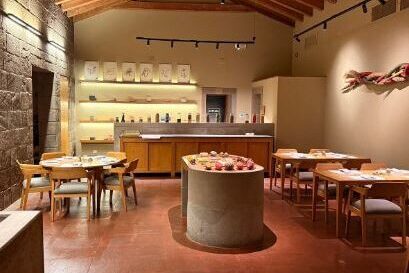
The hotel’s flagship restaurant, Mauka, operates in collaboration with Peruvian chef Pía León (voted World’s Best Female Chef in 2021).
| Dish / Concept | Star Ingredients | What Makes It Special? |
| Andean Tubers | Native potatoes, olluco, and oca from local communities | Showcases high-altitude biodiversity thousands of meters above sea level. |
| Seafood & Jungle | Amazonian paiche and fresh Pacific catch | Connects Peru’s three major ecosystems into a single tasting experience. |
| Craft Cocktails | Pisco infused with muña and home-grown herbs | Expertly crafted cocktails paired for the high-mountain climate. |
Why Choose Palacio Nazarenas?
The Verdict: If you want living history without compromising on top-tier modern comfort, this hotel is unmatched in Cusco. It serves as the ultimate luxurious stopover before setting off to Machu Picchu.