Many travelers look for the fastest way to move between the two most fascinating cities in southern Peru, missing out on truly spectacular Andean landscapes.
If you are one of those who prefer to explore off the beaten path and experience the magic of the Andes, traveling by land is definitely for you.
By embarking on the Cusco to Arequipa route, you will enter territories where mass tourism has not yet arrived and nature shows itself in its wildest state.
One of those best-kept secrets is Suykutambo, an impressive destination that will transform your transit journey into a true expedition.
What is Suykutambo and why should you visit it?
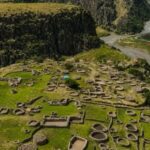
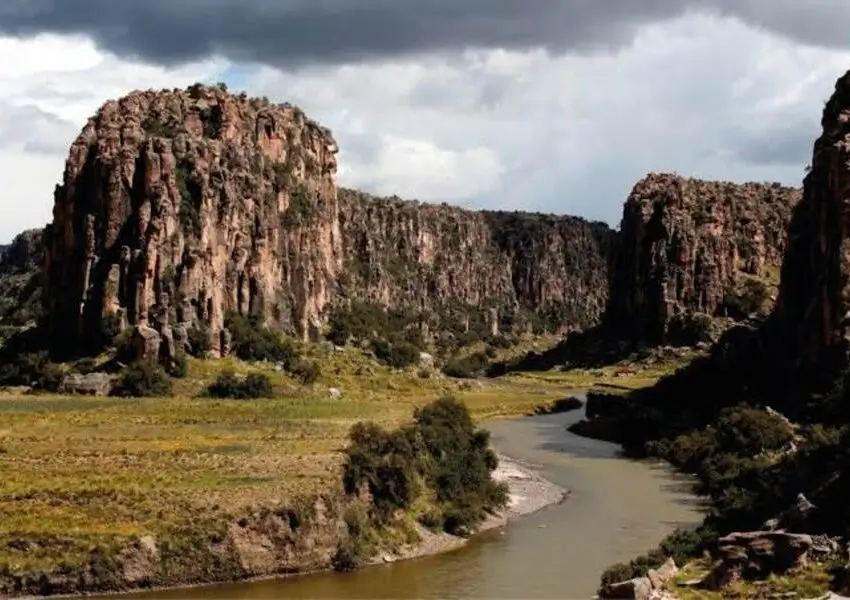
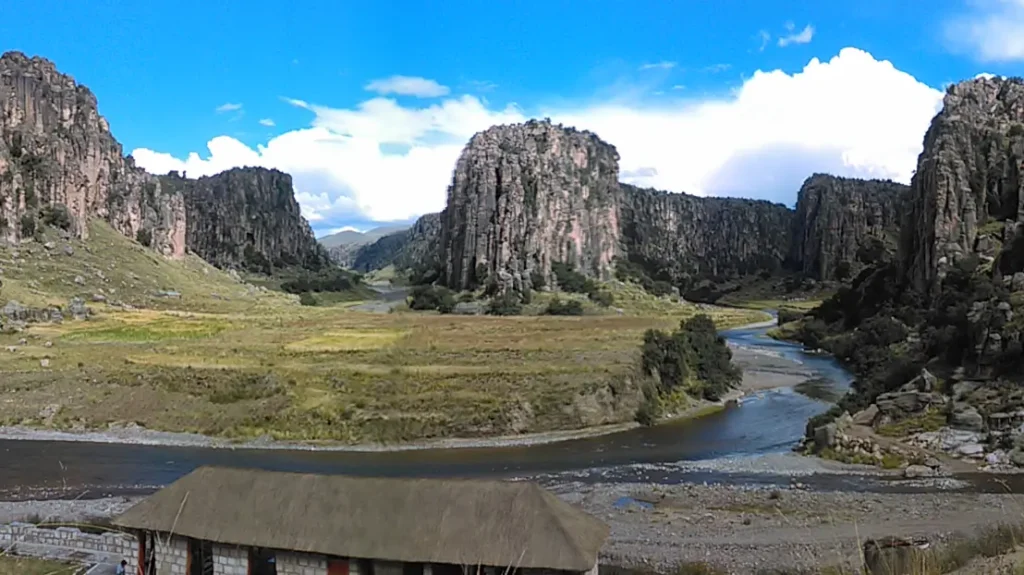
Located in the province of Espinar, Suykutambo (also known as the Three Canyons of Suykutambo) is a monumental forest of volcanic rock formations.
Here, the Apurímac, Callumani, and Cerritambo rivers converge, creating the imposing Suykutambo canyon, with stone walls carved by wind and water that rise up to 80 meters high.
It is the perfect setting for lovers of geology, landscape photography, and pure adventure, far from the crowds.
How to integrate Suykutambo into your Cusco to Arequipa route
To plan this strategic stop and enjoy your trip from Cusco to Arequipa to the fullest, it is vital to know the technical details of the destination.
Here are the exact facts you should keep in mind:
- Altitude: The main area of the canyons is located at more than 3,500 meters above sea level (masl), reaching areas of up to 4,800 masl in nearby peaks and mountain passes.
- Climate: It is cold and dry. Daytime temperatures oscillate pleasantly between 10°C and 15°C, but can drop drastically below zero during the night and early morning.
- Best season: The dry season (from April to November) is ideal. You will avoid the heavy Andean rains from January to March, which can make access via dirt roads difficult.
- Difficulty: Moderate. Walking through the bottom of the canyon does not require extreme hiking, but the altitude can be a physically challenging factor.
The importance of choosing good private transfers Peru
Reaching this geological treasure by public transport is extremely complicated, as schedules are irregular and the roads are rural.
For this reason, opting for reliable private transfers Peru services guarantees you the flexibility to deviate from the main highway and stop for as long as necessary.
With private transport, you can build a tailor-made itinerary, ensuring comfort, safety, and strategic photo stops that commercial buses skip.

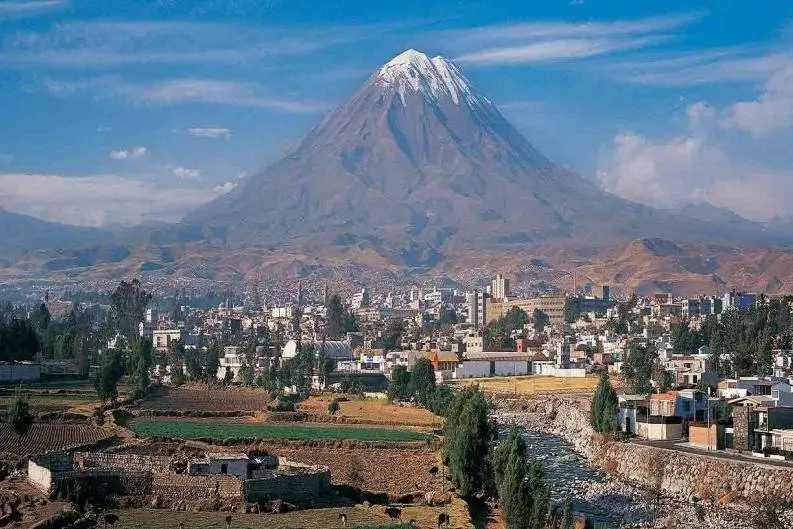
Expert Tips: Prepare like a professional
As local specialists, at Eric Adventures we know exactly what you need to enjoy this Andean destination without setbacks:
- Vital acclimatization: Spend at least a couple of days in Cusco or the Sacred Valley before taking this route. This will help your body prevent altitude sickness (soroche).
- Dress in layers: The Andean climate changes in a matter of minutes. Bring a windbreaker, thermal clothing, gloves, and a hat for the cold, as well as breathable t-shirts for the sunny hours.
- Hydration and provisions: Shops or restaurants are almost non-existent in the canyon area. Carry plenty of water, energy snacks, and coca leaves for the altitude.
- Strategic schedules: Leave the Imperial City very early (around 5:00 a.m.). This way, you will take advantage of the best morning light in the canyons and arrive at your final destination before dark.
Conclusion
Exploring southern Peru goes far beyond visiting the traditional destinations that appear in all the guides.
Taking the Cusco to Arequipa route and daring to make a stop at the majestic canyons will give you memories, photographs, and experiences that very few travelers manage to capture.