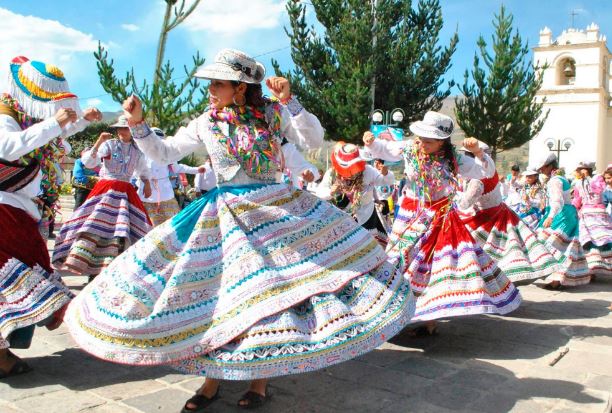
14-Day Peru Itinerary: The Ultimate Guide to Classic Peru

Planning a trip to the land of the Incas can be overwhelming with so many wonders to discover. You are surely wondering what to do in Peru to make the most of your time and not miss the most iconic destinations.

Designing the perfect 14 day Peru itinerary is the key to enjoying an unforgettable adventure, with the exact time to acclimatize and explore unhurriedly.

In this guide, we will show you step by step how to experience the essence of the Andean country. You will discover a route strategically designed to maximize every moment of your trip.

The unmatched charm of classic Peru

The southern route, known as classic Peru, takes you through the most impressive and emblematic landscapes of the country. From the vibrant Pacific coast to the majestic peaks of the Andes.

This tour is designed for travelers seeking a deep cultural immersion. You will learn about colonial history, enigmatic pre-Inca cultures and, of course, the legacy of the Inca Empire.

By choosing 2 week Peru tours, you guarantee enough time for your body to adapt to the altitude gradually. This is vital to enjoy the trip with energy and health.

Your 14 day Peru itinerary step by step

We have structured this route based on years of experience operating excursions and adventure packages.

Days 1-2: Lima, the Gastronomic Capital

Begin your adventure by exploring the historic center of Lima, declared a World Heritage Site. Admire its colonial balconies and the catacombs of the San Francisco Convent.

Do not leave the city without trying an authentic ceviche by the sea. Dedicate your second day to exploring the bohemian districts of Miraflores and Barranco, full of art and tradition.

Days 3-4: Paracas and the Ica Desert

Travel south to take a boat tour to the Ballestas Islands. Here you will observe Humboldt penguins, sea lions, and guano birds in their natural habitat.

In the afternoon, head to the Huacachina oasis in Ica. Pump up the adrenaline with a buggy ride through the dunes and dare to practice sandboarding at sunset.

Days 5-6: Arequipa and the Colca Canyon

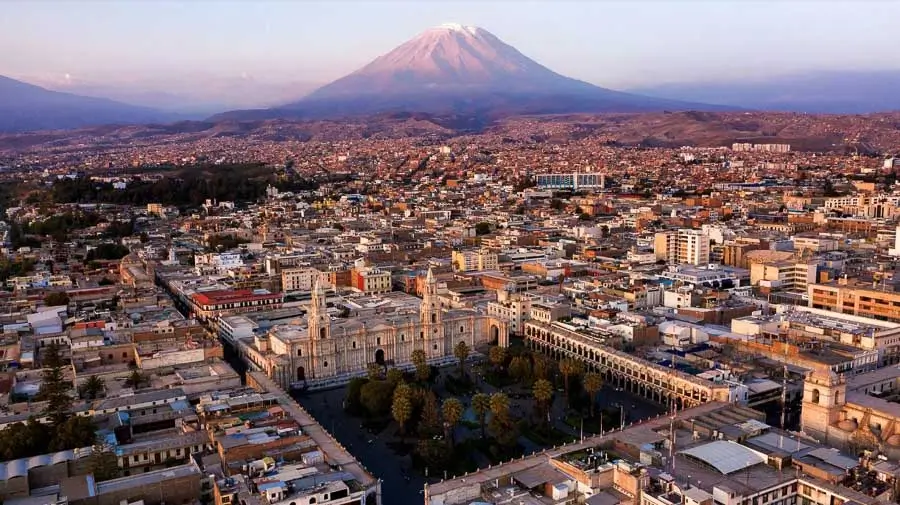
Arrive at the “White City” of Arequipa, built with sillar volcanic stone. Walk through the fascinating Santa Catalina Monastery and enjoy its exquisite local gastronomy.

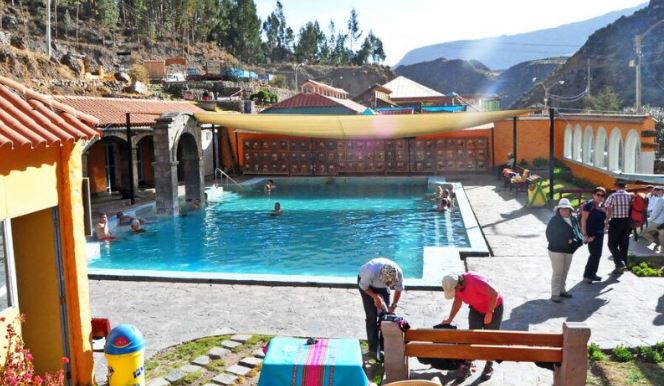
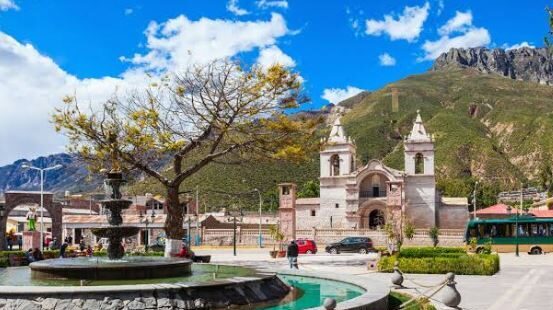
The next day, embark on an excursion to the Colca Canyon, one of the deepest in the world. At the Cruz del Condor viewpoint, you will be able to see the majestic flight of the largest bird in the Andes.

Days 7-8: Puno and Lake Titicaca

Your next stop is Puno, the folkloric capital of the country. Sail the waters of Lake Titicaca, the highest navigable lake in the world, at over 3,800 meters above sea level.

Visit the floating islands of the Uros, built entirely of totora reeds. Then, discover the island of Taquile, famous for its extraordinary textiles and intact traditions.

Days 9-13: Cusco, the Sacred Valley and Machu Picchu

We arrive at the heart of your 14 day Peru itinerary: the magical city of Cusco. Dedicate your first day to touring the Plaza de Armas, the Qorikancha temple, and the surrounding ruins like Sacsayhuaman.

Continue your expedition by delving into the Sacred Valley of the Incas. Explore the impressive archaeological centers of Pisac and the living fortress of Ollantaytambo.

Finally, take the train to Aguas Calientes to crown your trip. Enjoy a guided tour of the Inca citadel of Machu Picchu, one of the New Seven Wonders of the World.

Day 14: Farewell and Return

Take advantage of your last morning in Cusco to buy local crafts, alpaca textiles, or enjoy a good Cusco coffee. Get ready for your return transfer, taking unforgettable memories with you.

Valuable Facts for your Trip to Peru

To make your experience perfect, forget about generalities. Here are the hard and practical facts you need to know:

  • Best season: From May to October. It is the dry season in the Andes, which guarantees sunny days and minimizes the chance of rain during your excursions.
  • Climate: Extremely varied. Lima is humid, Ica is warm and desert-like. In Puno and Cusco, days are sunny (up to 20°C) but nights are very cold (can drop to 0°C).
  • Altitude: You will start at sea level and reach high altitude points. The Colca Canyon and Puno exceed 3,800 m.a.s.l., while Cusco is at 3,399 m.a.s.l.
  • Difficulty: Moderate. This tour includes walks through archaeological sites with irregular steps. It requires average physical fitness and good mobility.
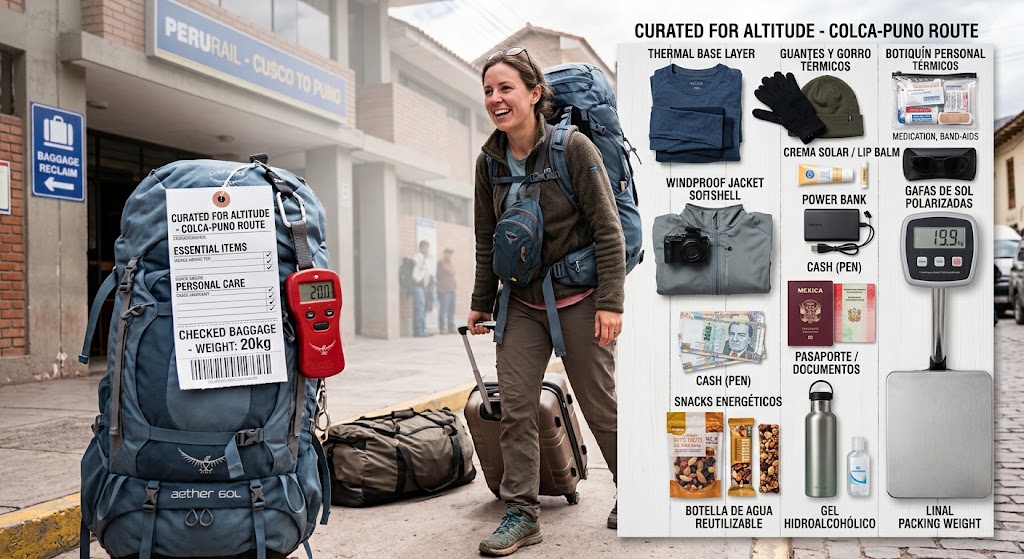
  • What to pack: Dress in “layers” (thermal clothing, sweater, and windbreaker jacket). It is mandatory to bring non-slip trekking shoes, a hat, sunglasses, and SPF 50+ sunscreen.

Expert Tips from Eric Adventures

As local specialists based in Cusco, we know the secrets to making your trip run smoothly. Take note of these vital tips:

  • Acclimatization Management: “Soroche” or altitude sickness is real. On your first day at altitude (Arequipa or Cusco), eat light, do not consume alcohol, and drink plenty of coca tea.
  • Schedule Planning: Archaeological sites have strict schedules and limited capacities. Start your tours very early (6:00 a.m.) to avoid crowds and get the best light for your photographs.
  • Advance Tickets: Entrance tickets to Machu Picchu and train tickets sell out months in advance. Never leave the purchase of these accesses to the last minute.
  • Constant Hydration: The altitude dehydrates the body faster than you notice. Always carry a reusable water bottle with you during all your excursions.

Conclusion: Start your adventure today

Touring the country of the Incas requires detailed organization and impeccable logistics. A good 14 day Peru itinerary is the secret to enjoying the culture, nature, and history without the stress of planning.

If you want to live this experience hand in hand with local experts, we invite you to take the next step. At Eric Adventures, we specialize in designing unforgettable excursions and safe operations.

From Chile to Bolivia: Everything you need to know to travel from Calama to Uyuni

Are you planning the adventure of a lifetime through South America and wondering how to connect the arid Chilean desert with the world’s largest salt flat? Crossing the mountain range on the route from Calama to Uyuni is a dream for many travelers, but the logistics of the trip often raise doubts and concerns.

At Viajes Tours, we know that making the leap between these two natural giants requires good planning. That is why we have prepared this definitive guide with the step-by-step, requirements, and the best options so that your trip is safe, fluid, and absolutely unforgettable.

The best options: How to go to Uyuni from Chile?

To answer the frequent question of how to go to Uyuni from Chile, you should know that the overland route is the most popular, scenic, and economical alternative. The landscapes you will see through the window will prepare you for the immensity of the salt flat.

Although there are private tours that take you in 4×4 vehicles, many adventurers prefer to make the journey on their own until reaching the Bolivian city and hire their expedition to the salt flat there.

Traveling by bus Calama Uyuni

Taking a direct bus Calama Uyuni is the option chosen by most backpackers and independent travelers. The trip lasts between 10 and 12 hours, depending on road conditions and the waiting time at immigration controls.

Several transport companies offer daily departures, generally leaving at dawn. It is highly recommended to buy your ticket at least a couple of days in advance, especially during the high tourist season.

Crossing the Chile Bolivia border via the Ollagüe Pass

The main and most used control point on this land route is the Chile Bolivia border, a place where the volcanic landscapes will take your breath away while you wait for your turn at immigration.

Specifically, legal and commercial transit takes place through the Ollagüe pass. This border complex is located at a high altitude and is famous for being surrounded by imposing peaks and a biting cold in the early hours of the day.

To cross without problems, make sure you have a valid passport (or ID card for Mercosur citizens), the PDI tourism card given to you when entering Chile, and check if your nationality requires a tourist visa to enter Bolivia.

Key data for your route from Calama to Uyuni

So that you are not caught by surprise, here is the technical information and essential value data for this high-altitude journey:

  • Altitude: The ascent is considerable. Calama is at 2,260 m.a.s.l., the border pass reaches almost 3,700 m.a.s.l., and the city of Uyuni sits at 3,656 m.a.s.l.
  • Climate: You will find a desert and high-altitude climate. Night temperatures can drop below -5°C, while during the day they can reach 18°C to 20°C under intense sun.
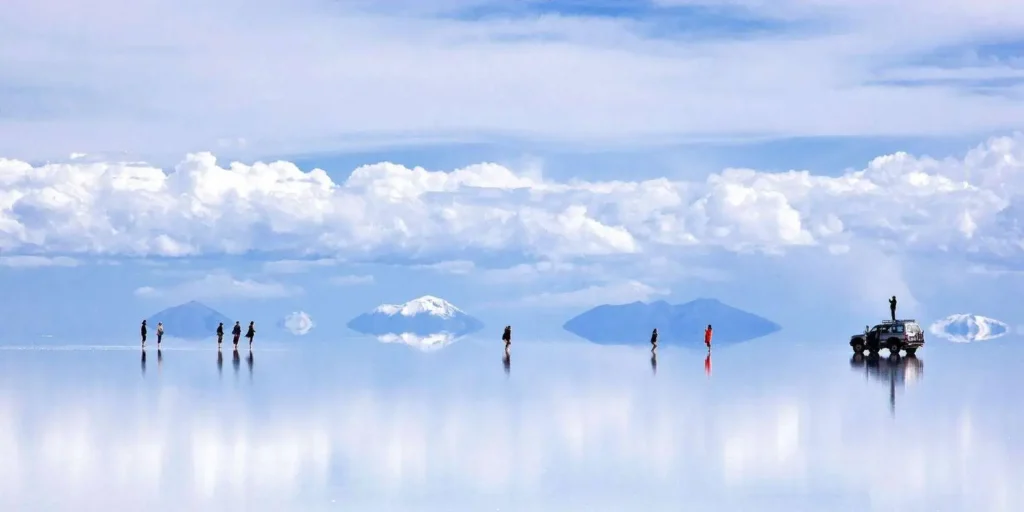
  • Best season: From April to November is the dry season, ideal for uninterrupted travel and clear skies. From January to March the “mirror effect” occurs in the salt flat, but rains can complicate some roads.
  • Difficulty: Moderate. It does not require extreme physical effort, but the long bus ride and the effects of the altitude require being in good health.
  • What to bring: Thermal clothing in layers (onion method), 50+ SPF sunscreen, polarized sunglasses, hydrating lip balm, light snacks, and plenty of bottled water.
Expert Tips from Viajes Tours

As tourism specialists, we want to share those “route secrets” that only an agency with local experience would tell you:

  • Prioritize Acclimatization: Spend at least a couple of days in Calama or San Pedro de Atacama before undertaking the climb to the border. Drink hot infusions (such as coca tea) and eat light the day before.
  • Security and Money Management: Carry Bolivianos in cash from Chile for your first expenses upon arrival (taxis, food, or bathrooms). If you carry dollars, make sure the bills are in perfect condition, without scratches or stains.
  • Take Advantage of Customs Hours: The border complex usually operates from 08:00 to 20:00 hrs. Buses leave early (between 5:00 and 6:00 AM) precisely to be first in the immigration line and avoid delays of several hours.

Conclusion

Taking the route from Calama to Uyuni is the start of a fascinating journey that will take you through arid deserts, snow-capped volcanoes, and high-altitude lagoons. With proper preparation, the right clothing, and your documents in order, the border crossing will be just a simple formality before your great reward.

Complete Guide: How to cross from Uyuni to Calama via the Ollagüe pass

Planning to continue your South American adventure from the stunning Bolivian salt flats to northern Chile? We know that cross-border logistics can raise many questions.

Making the journey from Uyuni to Calama is one of the most fascinating overland routes in the Andes, but it requires detailed planning.

In this guide, we will resolve your concerns and explain step-by-step how to make this crossing safely and without setbacks.

The fascinating journey from Uyuni to Calama via Ollagüe pass

Traveling between these two destinations is not just a migration formality; it is an extension of the adventure through the majestic high plateau landscape.

By choosing the Ollagüe pass, you will travel through a route flanked by imposing volcanoes and high-altitude deserts that connect both nations.

This Bolivia Chile border is known for its panoramic views, being the ideal and direct alternative for those who wish to reach Calama quickly.

High-Value Route Data

To ensure you travel fully prepared, here is the technical and practical information for this trans-Andean journey:

  • Altitude: The border post is located at approximately 3,696 m.a.s.l. It is vital to be acclimated before starting the trip.
  • Climate: Cold, dry, and with strong winds. Temperatures can drop below freezing, especially in the early morning.
  • Best season: From April to November (dry season). You will avoid the high plateau summer rains that complicate road conditions.
  • Travel time: Approximately between 8 and 10 hours of driving, heavily depending on the weather and customs waiting times.

Transport options: Uyuni Calama bus and private services

The most common and economical way to make this route is to take a direct Uyuni Calama bus. Several transport companies offer this service, generally departing in the early morning.

However, if you are looking for greater comfort, traveling with a lot of luggage, or in a group, hiring private Uyuni transfers is an excellent alternative.

Private transport gives you great flexibility in schedules, photo stops at your own pace, and personalized assistance during the migration process.

What to carry in your carry-on luggage

Since the journey is long and weather conditions vary rapidly, we recommend packing the following in your hand luggage:

  • Valid passport and entry documents for Bolivia (Andean card duly stamped).
  • Layered clothing: windbreaker jacket, gloves, scarf, and a thermal hat.
  • Bottled water and packaged snacks (cookies or energy bars).
  • Cash: Bolivianos for possible exit fees and Chilean Pesos for your first expenses.

Expert Tips: Crossing the border without stress

As specialists in Andean tourism, we want to share practical recommendations that will facilitate your customs passage:

  • Strict SAG control: Chilean customs is extremely rigorous regarding the entry of organic products. It is forbidden to bring fresh fruits, coca leaves, honey, meat, or unpasteurized dairy. Declare everything.
  • Border hours: The complex usually operates from 08:00 to 18:00. If you travel privately, leave very early to avoid the lines of commercial buses.
  • Altitude Sickness Prevention: Stay hydrated the day before, avoid alcohol, and eat light before the trip to mitigate the effects of altitude at the border.

Conclusion: Your next great adventure awaits

Crossing from Uyuni to Calama is a spectacular transition between the natural wonders of Bolivia and the desert of northern Chile.

With the right information, documents in order, and good preparation, this journey will become a memorable anecdote of your trip.