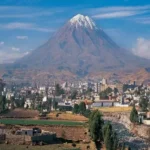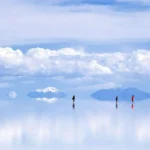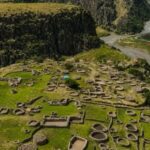
Traveling from Arequipa (2,325 m / 7,628 ft above sea level) to Puno (3,855 m / 12,647 ft above sea level) is one of the most popular routes in southern Peru. Instead of taking a direct 6-hour bus, the best alternative is booking a 2-day tour that connects both cities through the landscapes of the Colca Valley and Canyon.
Here is what you need to know:
Part 1: The 2 in 1 Logistics
Travelers often make the mistake of taking a round-trip tour (Arequipa–Colca–Arequipa) and then taking a separate bus to Puno. Doing this doubles your budget and wastes almost two days in transit.
How does the Colca – Puno connection work?
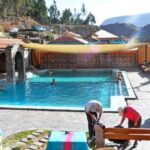
- DAY 1: Arequipa ➔ Salinas and Aguada Blanca ➔ Patapampa (4,800 m) ➔ Chivay ➔ La Calera Thermal Baths
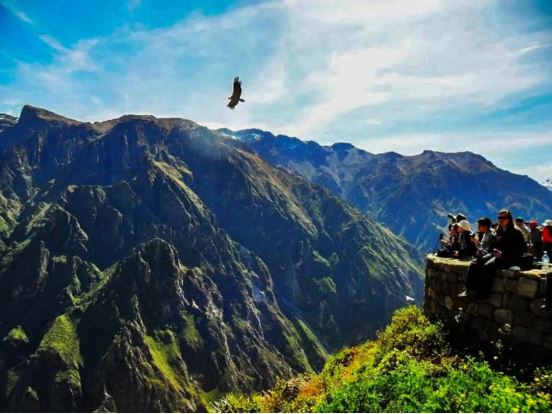
- DAY 2: Chivay ➔ Cruz del Cóndor ➔ Valley Towns ➔ Lagunillas ➔ Puno
Travel hack
- Travel with your luggage: Tourist transport carries all your luggage (allowing up to 20 kg / 44 lbs per person). You board in Arequipa and get off the next day in Puno, ready for the next leg of your trip (Lake Titicaca).
- Zero backtracking: Instead of returning 4 hours back to Arequipa on the second day, the bus takes the high-Andean detour toward Puno after lunch in Chivay.
- Make the most of route stops: The final stretch to Puno is not a boring transfer; it includes strategic photo stops like the Lagunillas Viewpoint, a visual spectacle featuring high-altitude lagoons and flamingos.

Part 2: Altitude and Weather
Keep in mind that this route involves ascending quickly into the Andes Mountains. You will go from Arequipa’s 2,325 m to a maximum peak of 4,800 m (15,748 ft) at the Patapampa Viewpoint, spend the night in Chivay (3,600 m / 11,811 ft), and finish in Puno (3,855 m).
To enjoy the journey, take note of these tips:
1. Altitude Sickness (Soroche) Tips
- The night before in Arequipa: Eat a light dinner (avoid red meat and heavy fats) and refrain from drinking alcohol.
- At the highest point (Patapampa – 4,800 m): The stop lasts about 15–20 minutes. Walk slowly, breathe deeply, and avoid sudden movements.
- Key herbal teas: Coca tea gives you an energy boost, but muña (Andean mint) tea is the real hero for settling your stomach and easing dizziness. You can buy them in Chivay.
2. What to Wear? Weather in the Andes is extreme and changes radically throughout the day:
- Midday in the Canyon: Bright sun and warm temperatures. You will need a hat, sunglasses, and sunscreen.
- Late afternoon at the thermal baths: Keep your swimsuit and towel handy to relax in La Calera’s hot springs.
- Early morning and night (Chivay / Puno): Temperatures hover near or drop below 0 °C (32 °F). You need a warm jacket, a chullo (Andean beanie), and a windbreaker.
3. Cash Budget You must bring cash in Peruvian Soles (PEN) for:
- Colca Tourist Ticket (BTC): Mandatory entry fee paid at the valley checkpoint.(70 soles)
- Entrance to La Calera Thermal Baths.(15 soles)
- Lunches and dinners: There are buffet-style tourist restaurants in Chivay where you can choose your meals.
Is it worth doing it this way?
Absolutely. It is the most efficient, scenic, and budget-friendly way to connect the “White City” with Peru’s folklore capital. You get to marvel at one of the world’s deepest canyons, witness the flight of the condor, and wake up at the gateway to Lake Titicaca while optimizing your travel time to the fullest.