It offers a fascinating historical mystery.
What is it and where is it located?
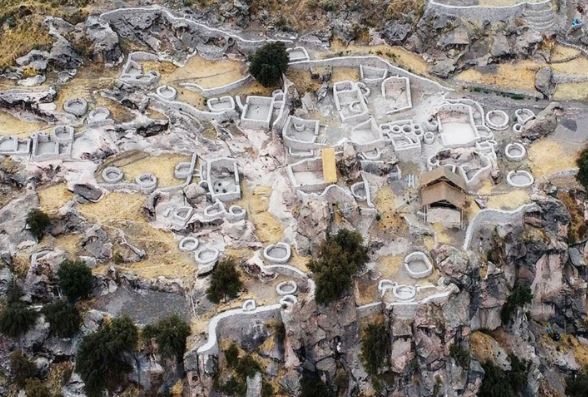
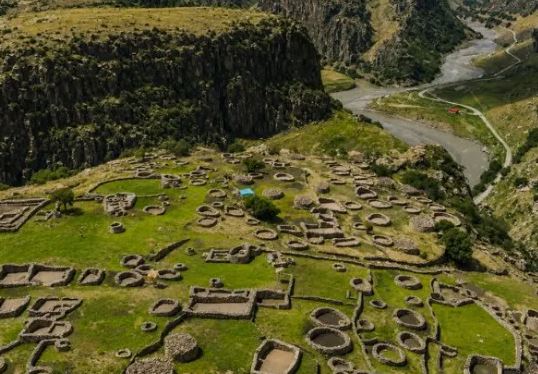
T’aqrachullo (from the Quechua words T’aqra: mother rock and Chullo: water reservoir carved in stone) is located in the district of Suykutambo, province of Espinar, south of the Cusco region, at approximately 4,100 meters above sea level.
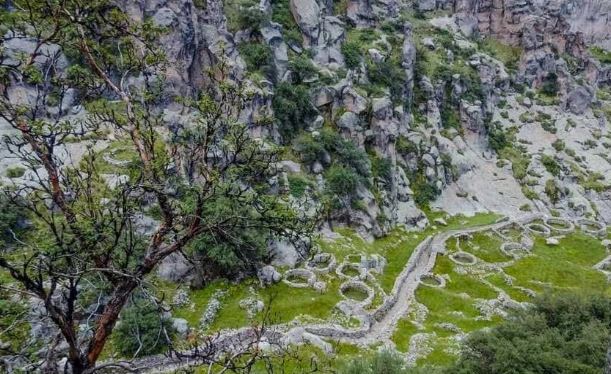
It sits strategically atop an impressive rocky cliff in the heart of the Apurímac River Canyon, directly connected to the Qhapaq Ñan (Inca Road) that led to Contisuyo.
Recent News and Discoveries (May/June 2026)
What appeared to be a minor archaeological site has turned out to be a massive complex. The findings recently presented by the Ministry of Culture and the archaeologists in charge (such as Emerson Pereyra) have left everyone speechless:
The great treasure of 3,000 sequins: One of the most striking discoveries was the finding of nearly 3,000 beads or sequins of gold, silver, and bronze hidden in a bag of organic material. They were part of a glittering ceremonial regalia belonging to the Inca elite.
More than 600 structures: Dwellings, temples, sacred fountains, plazas, funerary enclosures, and a huge kallanka (a large Inca communal space for travelers on the Qhapaq Ñan) have been excavated.
The Lost Fortress of Ancocahua?
Archaeologists and researchers (following the hypothesis of the renowned explorer Johan Reinhard) strongly suggest that T’aqrachullo is actually Ancocahua, a mythical and incredibly wealthy Inca sanctuary/oracle described by Spanish chroniclers and “lost” for centuries.
Current Exhibition in Cusco: In June 2026, the impressive recovered artifacts (Wari ceramics, lithics, and the gold and silver treasure) were put on temporary display for the first time at the Casa del Inca Garcilaso de la Vega Museum in the historic center of Cusco.
Debunking a Myth:
Upon its discovery, many sensationalist media outlets claimed it was “a citadel four times larger than Machu Picchu.” The project’s archaeologists have already clarified that this is false regarding its territorial extent. T’aqrachullo covers approximately 17 hectares, compared to the more than 32,000 hectares of the Machu Picchu sanctuary.
“I never saw anything at Machu Picchu comparable to what we have found at T’aqrachullo,”(archaeologist Emerson Pereyra) referring to the enormous quantity and quality of liturgical objects and precious metals found intact underground.
Useful Facts about Taqrachullo for your Visit
To make your experience in this natural wonder perfect, take note of this essential information:
- Altitude: 4,120 meters above sea level (Requires prior acclimatization in Cusco).
- Climate: Cold and dry. Sunny during the day (15°C – 18°C) with strong winds at the summit, and freezing in the afternoon/evening (it can drop below 0°C).
- Best time to visit: May to October (dry season), with clear days and no rain.
- Difficulty: Moderate. It is a steep hike of 30 to 45 minutes.
- What to bring: Hiking boots, warm layered clothing (with a windbreaker), high-SPF sunscreen, hat, water, energy snacks, and cash (soles).

Expert Tips for a Perfect Trip
As local experts in southern Peruvian tourism, we want you to enjoy every minute of your journey without setbacks. Here are our best tips:
- Prior Acclimatization: Before climbing to these altitudes, make sure you have spent at least 2 to 3 days in Cusco (considerable altitude, much higher than the city of Cusco), which is at 3399 m above sea level, so the body feels the lack of oxygen when going up.
- Constant Hydration: The Andean climate is very drying. Drink plenty of water or coca tea along the way, as staying hydrated helps oxygenate the body.
- Light Snacks: Digestion is slower at high altitudes. Bring energetic and light foods like nuts, dark chocolate, or crackers, avoiding heavy meals before the trip.
Overlapping Cultures
A fascinating detail for your history-loving readers is that T’aqrachullo is not solely Inca. Excavations demonstrate that the site was sacred for centuries to different cultures: there are remains of the Wari, the Q’olla, and the local Kana culture, who were key allies in the expansion of the Inca Empire. Upon arriving, the Incas respected the sacredness of the site and built upon it.