How is the pride of the National Holidays experienced?
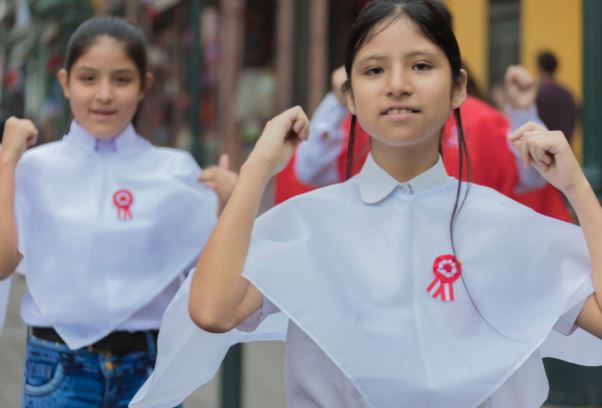
Every July, the streets of Peru are awash in white and red. Houses display flags on their facades, people wear a cockade on their chests, and the aroma of traditional Peruvian food fills the air. July 28th is not just another holiday on the calendar; it is the day Peruvians celebrate their identity, their history, and their freedom.
The historical origin: The cry for freedom of 1821
July 28th commemorates the Proclamation of Independence of Peru. On this same date in 1821, the Argentine general José de San Martín ascended a platform in Lima’s Plaza Mayor to pronounce the words that would forever change the course of the country:
“Peru is from this moment free and independent by the general will of the people and by the justice of its cause, which God defends. Long live the Fatherland! Long live Liberty! Long live Independence!”
Although the military consolidation of independence took three more years (finally achieved in 1824 with the battles of Junín and Ayacucho), July 28th remains etched in the heart of the nation as the day of the birth of the Peruvian Republic.
Official traditions: What happens on July 28th and 29th?
The National Holidays primarily encompass two days of celebration filled with official and civic activities:
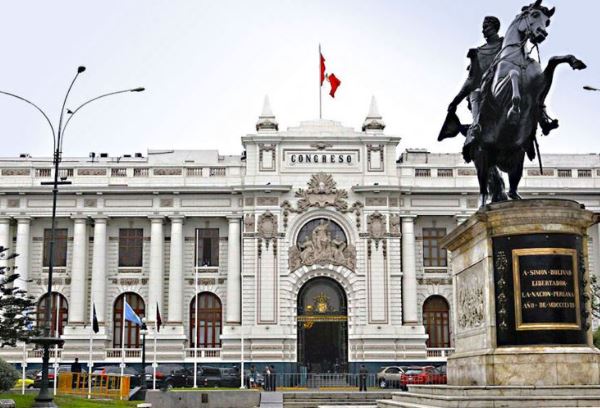
- July 28 (Independence Day): The day begins with the traditional “Te Deum” mass at the Lima Cathedral, attended by the highest authorities in the country. Later, the President of the Republic delivers the State of the Nation Address from Congress, where he reports to the nation and outlines plans for the future.
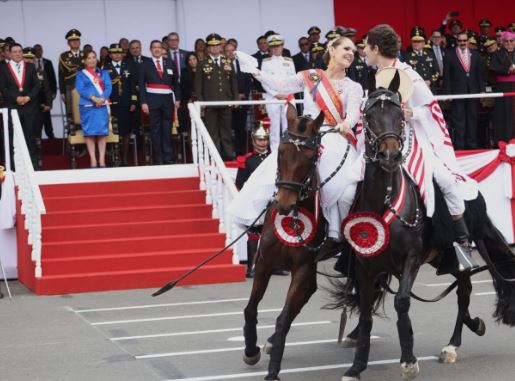
- July 29 (Great Military Parade): This day pays tribute to the Armed Forces and the National Police of Peru. The main event is a massive military parade that captivates thousands of spectators in the streets and millions of television viewers.
How do Peruvians celebrate the National Holidays today?
Beyond the political protocols, July 28 is a celebration of identity. This is how it’s experienced on a daily basis:
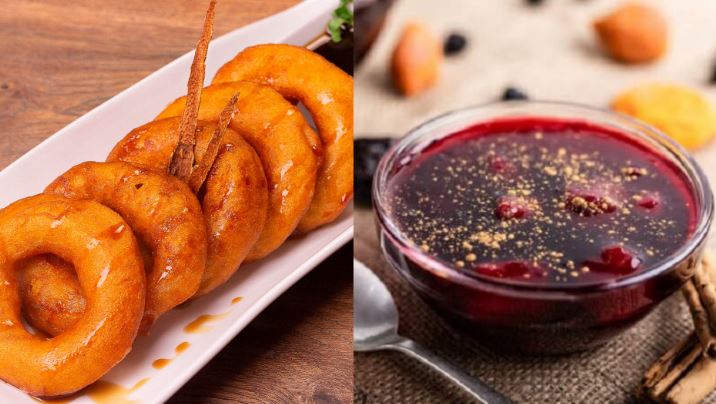
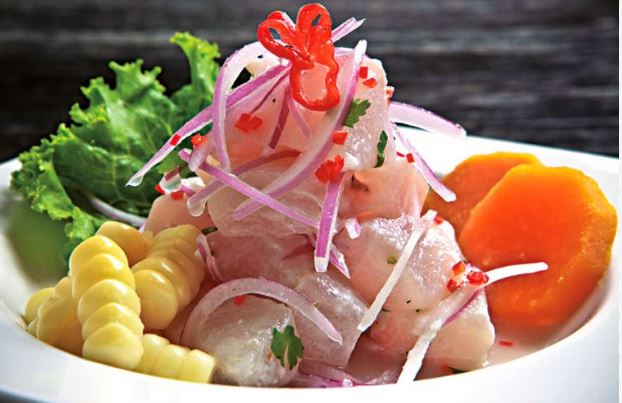
- National cuisine: If there’s one thing that unites Peruvians, it’s food. During this time, restaurants are packed. Families gather around a delicious ceviche, lomo saltado, pollo a la brasa, or hearty anticuchos, always accompanied by the indispensable chicha morada or a toast with pisco sour.
- Domestic tourism: As it’s a long weekend, tourism booms. Thousands of Peruvians take advantage of the opportunity to travel within the country, with favorite destinations being the citadel of Machu Picchu (Cusco), the northern beaches, the Amazon rainforest, or the landscapes of the central highlands.
- The cockade on the chest: Throughout the month of July, it’s almost a social norm to wear a small red and white cockade on the lapel of a jacket or shirt as a symbol of pride and respect.
3 Interesting Facts You Probably Didn’t Know
- The Song Before the Anthem: On July 28, 1821, the song most sung by the people wasn’t the current National Anthem, but “La Chicha,” a catchy patriotic song of the time that celebrated local food and freedom.
- Three More Plazas: San Martín didn’t just proclaim independence in Lima’s Plaza Mayor. That same day, he repeated the act in three other locations in the capital: La Merced Square, the Plaza de la Inquisición (now Plaza Bolívar), and Santa Ana Square.
- The Origin of the Colors: Although there are several legends (such as that of the parihuanas, the birds with red wings and white breasts that San Martín saw in his dreams), historians indicate that the colors white and red were chosen to distinguish the liberating army from the flags of other nations and the Spanish royalist army.
More than a date, a feeling
July 28th in Peru is the perfect time to remember that, despite differences or political and social challenges, there is a deep pride in the land that gave birth to the Inca Empire and that today dazzles the world with its culture. It’s a day to proudly proclaim: Long live Peru!